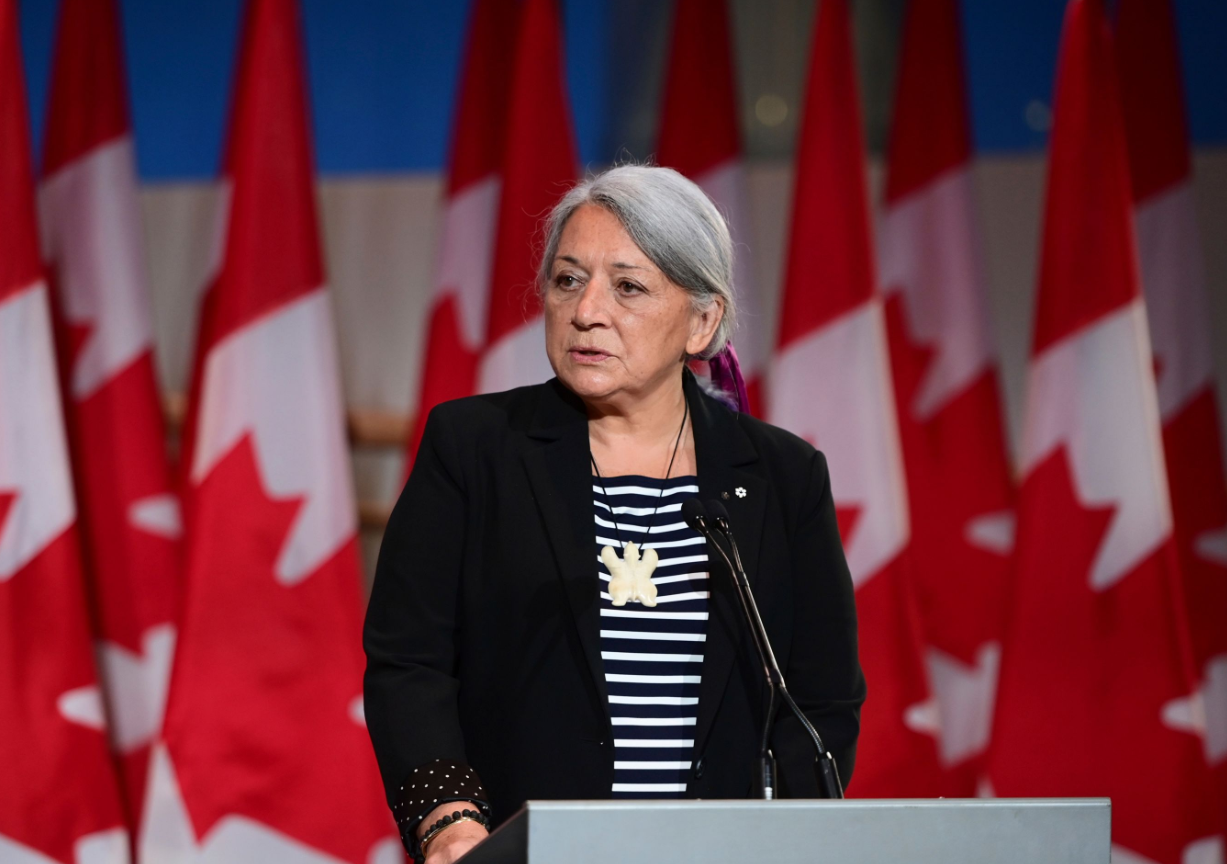
Mary Simon occupies a unique place in Canadian history. As a diplomat, Indigenous leader, advocate, and public servant, she built a career focused heavily on the Arctic, Inuit rights, environmental issues, and relations between Indigenous peoples and Canadian institutions. In 2021, she reached another historic milestone when she became Canada’s first Indigenous governor general.
Her appointment carried considerable symbolic importance, but Simon’s public career began decades before she entered Rideau Hall. She had already represented Inuit interests internationally, participated in major political and constitutional discussions, worked in diplomacy, and served in leadership positions connected with Canada’s North.
Early Life in Northern Canada
Mary Jeannie May Simon was born in Kangiqsualujjuaq, in the Nunavik region of northern Quebec. Growing up in the North gave her direct experience with Inuit culture as well as the relationship between Indigenous communities and Canadian institutions.
Her upbringing occurred during a period when Indigenous people frequently faced government policies and institutional practices that attempted to weaken traditional languages, cultures, and identities. These realities later became important to her work as an advocate.
Simon developed an understanding of both Inuit society and the structures of southern Canadian government. That ability to navigate different cultural and political environments became central to her later career.
Indigenous Advocacy and the Arctic
Simon emerged as an important voice in Inuit political advocacy. Her work became closely connected with questions involving land, sovereignty, environmental protection, education, cultural preservation, and Indigenous rights.
The Arctic occupies a strategically important position not only within Canada but internationally. Climate change, natural resources, security, transportation routes, and Indigenous rights have all increased global attention on northern regions.
Simon consistently emphasized that decisions involving the Arctic cannot be separated from the people who live there. This perspective helped make her an influential participant in discussions about northern policy.
International Leadership
Her work eventually extended well beyond Canada. Simon became involved with the Inuit Circumpolar Conference, now known as the Inuit Circumpolar Council, an organization representing Inuit across different Arctic regions.
This international dimension was significant. Inuit communities exist across national borders, and many of the challenges they face—including environmental change and cultural preservation—cannot be addressed entirely within a single country.
Simon developed diplomatic experience through this work and later became Canada’s ambassador for circumpolar affairs. She also served as Canada’s ambassador to Denmark.
These positions placed her at the intersection of Indigenous advocacy and conventional international diplomacy, an unusual combination that strengthened her national profile.
Leadership Within Inuit Organizations
Simon later served as president of Inuit Tapiriit Kanatami, one of the most important organizations representing Inuit in Canada. In this role, she continued advocating for improved social conditions and greater recognition of Inuit priorities.
Issues affecting northern communities can include housing shortages, access to health services, food costs, education, infrastructure, mental health, and the preservation of Indigenous languages. Simon repeatedly emphasized the need for policies developed with Indigenous communities rather than simply imposed upon them.
Her leadership demonstrated that reconciliation involves practical policy questions as much as symbolic recognition.
Becoming Governor General
In July 2021, Mary Simon was installed as Canada’s governor general, becoming the first Indigenous person to hold the office.
The governor general represents the Canadian monarch and performs important constitutional and ceremonial responsibilities. These include summoning and dissolving Parliament on the advice of the prime minister, granting Royal Assent to legislation, receiving foreign representatives, recognizing achievements, and participating in national ceremonies.
Although the role is generally non-partisan, it carries considerable symbolic influence. Simon’s appointment therefore attracted attention both because of her professional experience and because of what her presence represented within Canadian history.
Reconciliation and Representation
Simon entered the office during a period of heightened national attention to reconciliation with Indigenous peoples. The legacy of residential schools, disputes involving land and resources, inequalities in public services, and questions surrounding Indigenous languages remained central national issues.
As an Indigenous governor general, Simon has been positioned within these conversations in a way no predecessor had been.
Representation alone cannot resolve historical or contemporary inequalities, but her appointment demonstrated a significant change in who could occupy one of Canada’s highest public offices.
Language and Identity
One unusual aspect of Simon’s appointment involved language. Canadian governors general have traditionally been expected to speak both English and French. Simon speaks English and Inuktitut but did not enter office fluent in French, something that generated public debate.
She committed herself to learning French. The discussion highlighted broader questions about Canada’s linguistic identity and the place of Indigenous languages within national institutions.
For many observers, Simon’s ability to speak Inuktitut was itself meaningful. Indigenous languages existed in what is now Canada long before English and French became dominant, yet they have historically received far less institutional recognition.
Her Broader Legacy
Mary Simon’s significance extends beyond the governor generalship. Her decades of work illustrate the growing role of Indigenous leaders in Canadian diplomacy, constitutional discussion, environmental policy, and national institutions.
She has moved between local, national, and international environments while consistently maintaining a connection to Arctic and Inuit issues.
Her career therefore represents both continuity and change: continuity in her long commitment to Indigenous advocacy and change in the increasing visibility of Indigenous leadership at the highest levels of Canadian public life.